DADA TECHNOLOGY · ENGINEERED REFRACTORIES · GLOBAL SUPPLY
EnglishEspañolFrançaisDeutschالعربية
DADATECINDUSTRIAL MATERIALS

Functional Mineral Raw Materials

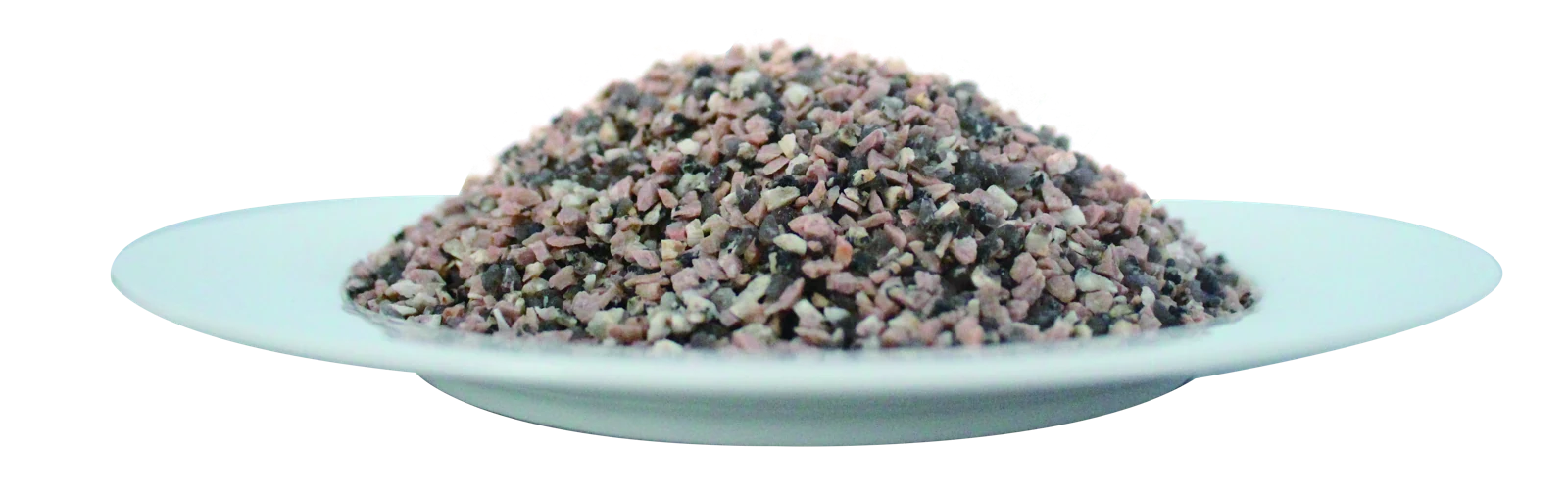
Wulan Chajingshi (乌兰茶晶石) is a natural composite mineral raw material offered as processed powders and granules. It is proposed for ceramic and glass formulations, including tableware, sanitaryware, architectural ceramics and decorative products. It should be evaluated as a formulation ingredient rather than treated as a single pure mineral or a refractory kiln component.

Wulan Chajingshi Mineral Raw Material

Technical specifications

ParameterSelection / acceptance requirement
Product designationWulan Chajingshi / 乌兰茶晶石
Material typeNatural composite non-metallic mineral raw material
Available gradesA, B and C; grade selection depends on application
Chemical compositionBatch-specific oxide analysis required; no complete numerical composition table supplied
Particle size / addition rateTo formulation trial and agreed specification
Firing temperatureNot specified as a universal operating range; validate in the intended body/glaze system
Functional claimsAntibacterial, easy-clean and far-infrared behavior require applicable finished-product test reports
InspectionComposition, particle size, moisture, color and agreed batch documentation

Application scenarios

Wulan Chajingshi is evaluated as a processed mineral ingredient in ceramic body or glaze formulations. The supplied product information identifies tableware, architectural ceramics, sanitaryware and craft ceramics among the applications for Grade A.

Tableware and decorative ceramic formulations

Select the mineral grade and particle size for the intended body or glaze. Compare trial batches with a control for fired color, shrinkage, water absorption, strength and glaze compatibility. Addition rates and firing conditions must be established for the actual recipe.
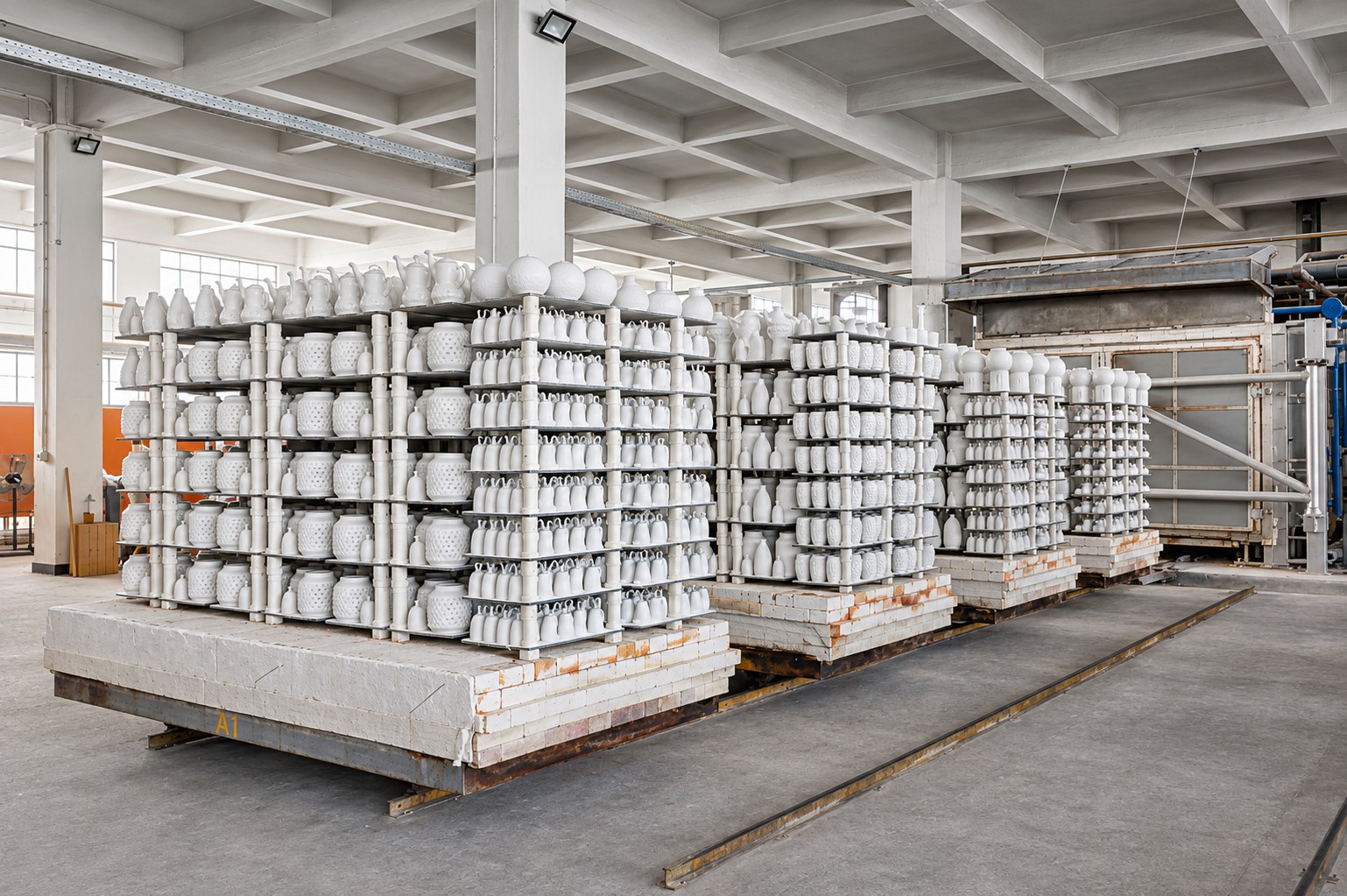
Firing trials and product validation

Real ceramic tableware kiln-car production scene used as a process reference

Test representative shapes under the intended production firing cycle before scaling up. Architectural and sanitary ceramic bodies require their own trials; results obtained for tableware cannot automatically be transferred. Any antibacterial or other functional performance must be verified on the finished ceramic product.

The decorated-ceramic image is from the supplied product brochure. The workshop photograph illustrates a general ceramic firing process and is not evidence that the pictured production line uses this mineral. The kiln-car photograph is digitally enhanced for display, not a dimensional or capacity record.