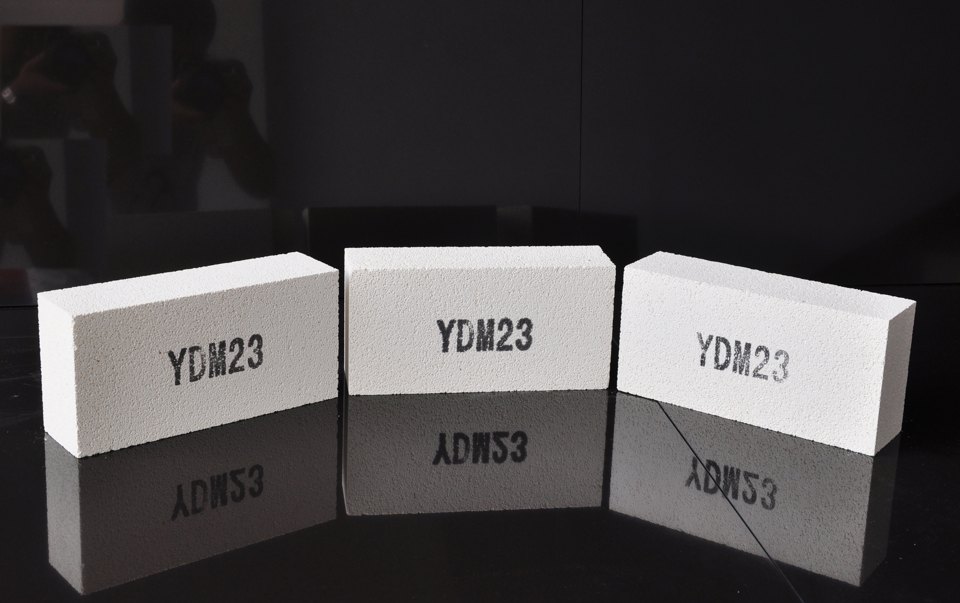
Insulation Bricks & Furnace Materials
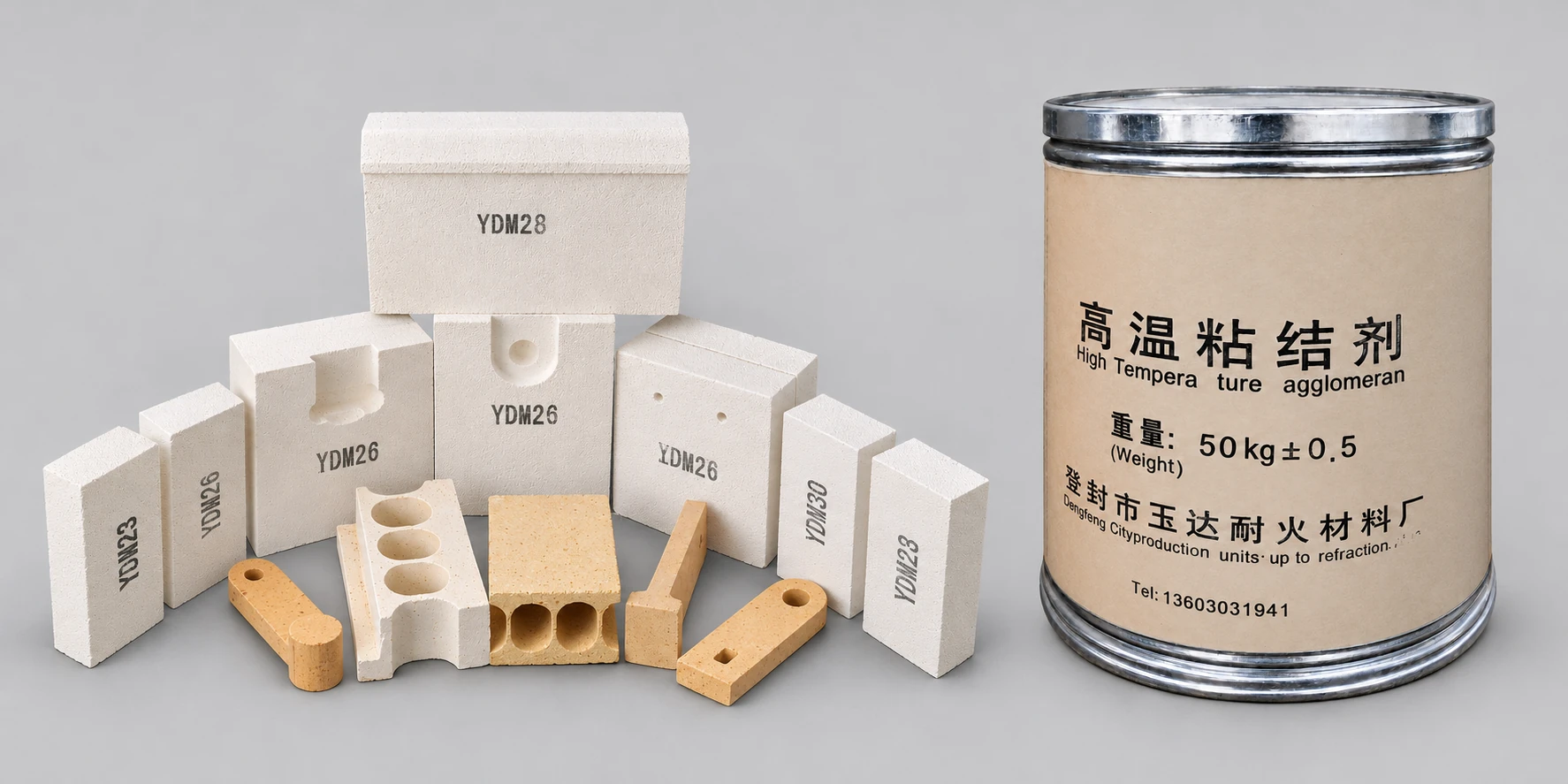
Choosing a furnace lining material
Separate working and insulation layers
Identify the hot-face working lining and any backup insulation in the furnace drawing. Review heat containment, mechanical loading and chemical exposure for each layer; one brick grade should not be assumed suitable for every zone.
Select the relevant product family
Compare insulating fire bricks, high-alumina bricks, furnace wall and roof shapes, and compatible mortars. For repairs, identify the existing material and the service problem before choosing a replacement or jointing system.
Prepare the enquiry
Include furnace and zone drawings, temperatures, atmosphere, thermal cycle, lining thickness, brick shapes and quantities. Specify delivery destination and documentation requirements so material selection and acceptance criteria can be agreed.
Related products: Dense refractory fire bricks · Insulating fire bricks · Refractory mortars
Drawings, specifications and quotation checklist
Include the product or material, dimensions and units, tolerances, operating temperature and atmosphere, loading or process medium, quantity and delivery destination.
Documentation to discuss with your quotation
- Datasheet for the proposed grade, with units and applicable test methods.
- Approved drawing, critical dimensions, tolerances, surface finish and inspection criteria.
- Required composition or property reports, batch inspection records and packing requirements. Confirm availability and scope for the proposed supply.
Download the enquiry checklist (.txt) · Send drawings and requirements
Applications: Industrial kilns & furnaces
Review technical reference sheets · Send a drawing or request product selection support
A fire brick, firebrick, fireclay brick, or refractory brick is a block of ceramic material used in lining furnaces, kilns, fireboxes, and fireplaces. Made of primarily oxide materials like silica and alumina in varying ratios, these insulating materials are able to withstand extremely high temperatures, and have a low thermal conductivity for greater energy efficiency. Refractory bricks generally range from 25-45% alumina, and ~60% silica, with additional magnesium, calcium, potassium oxides.
Insulating Fire Bricks
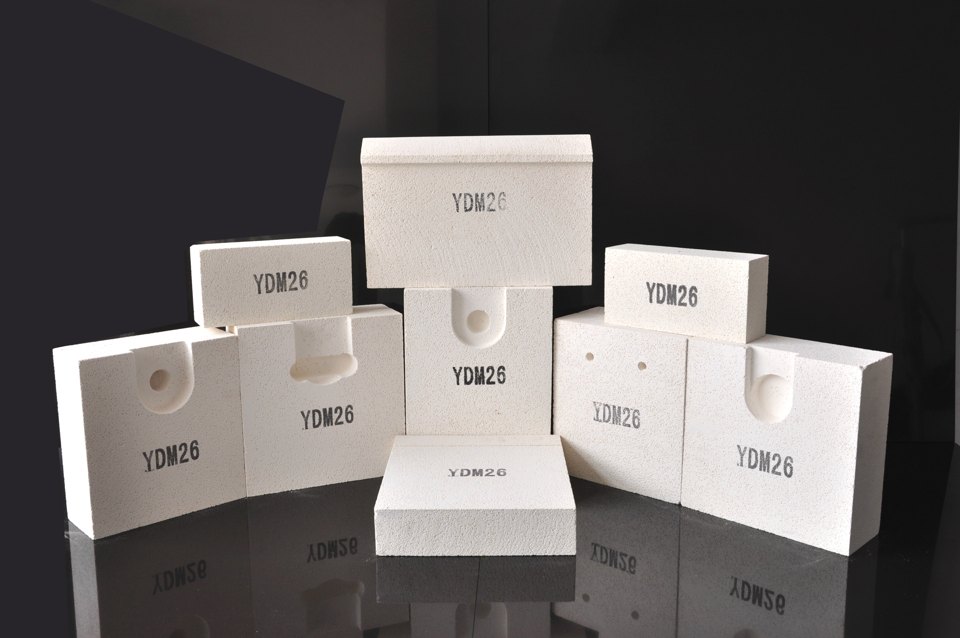
YDM-26 Lightweight Insulating Firebricks
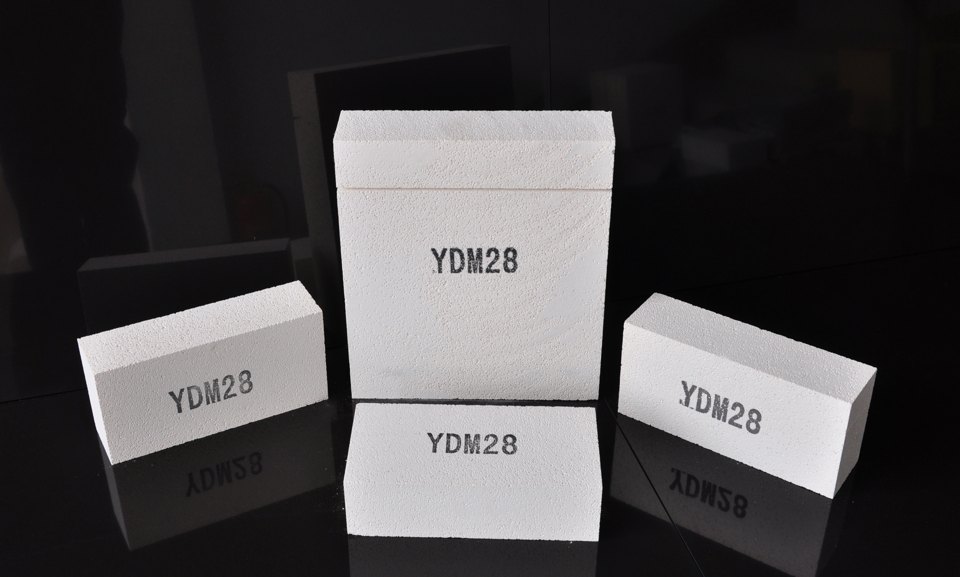
YDM-28 Lightweight Insulating Firebricks
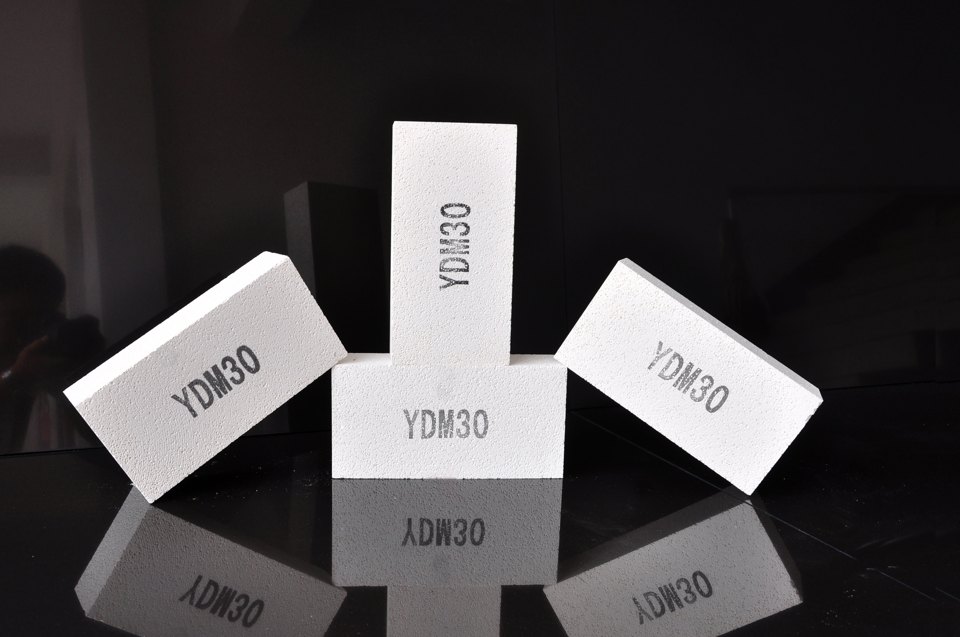
YDM-30/32 Lightweight Insulating Firebricks
High-Alumina Bricks
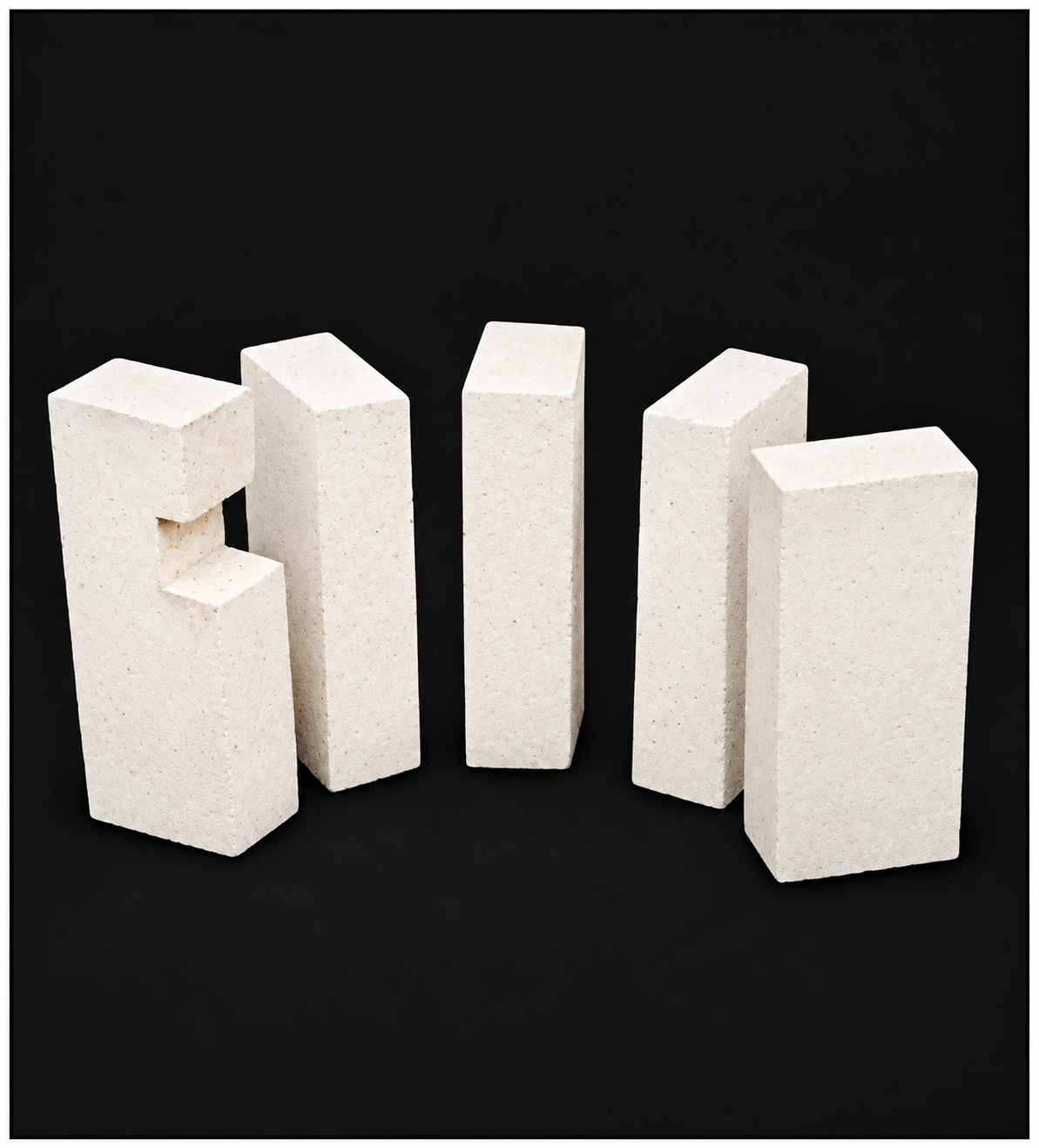
Alumina Bubble Bricks
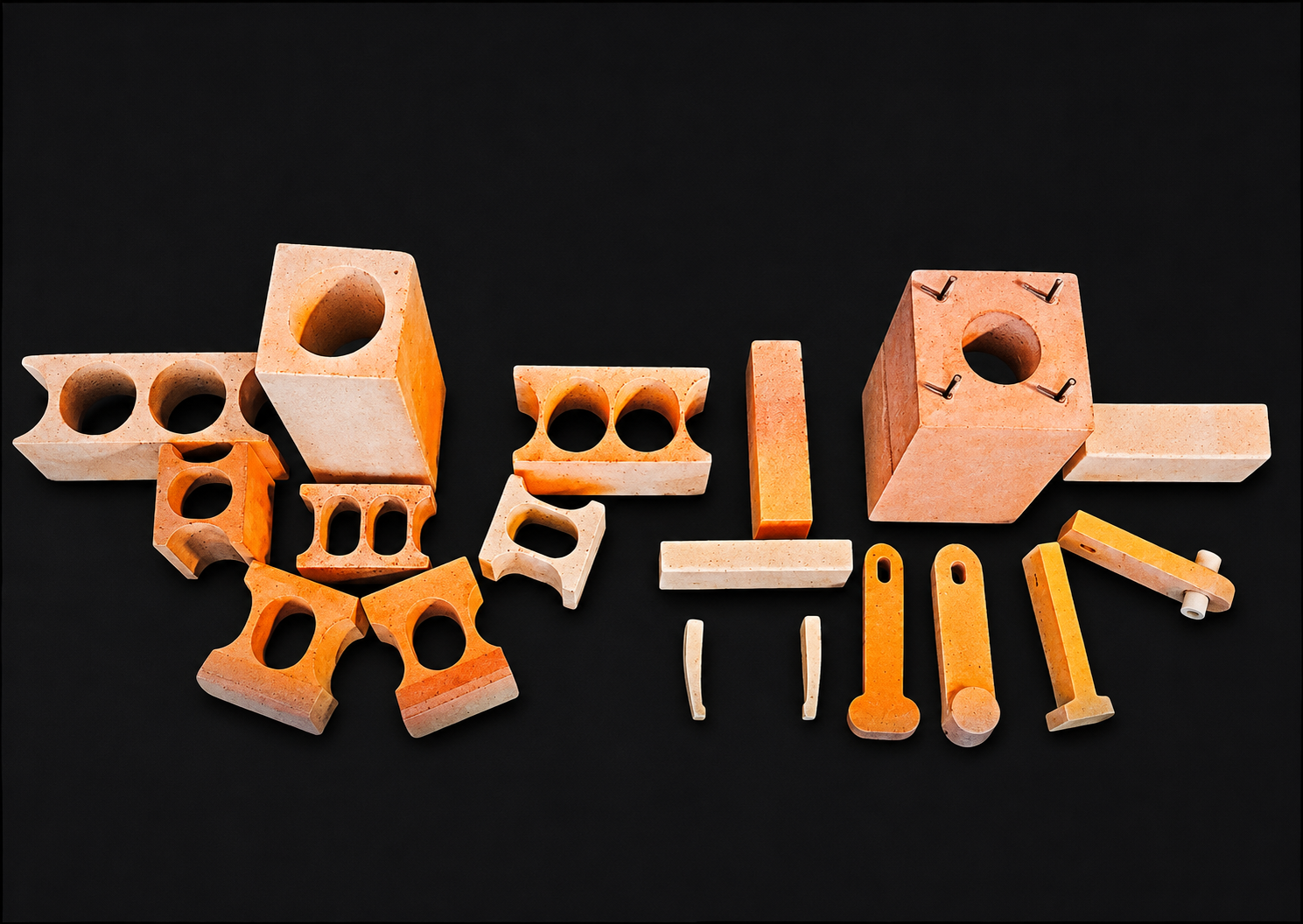
High-Alumina Bricks
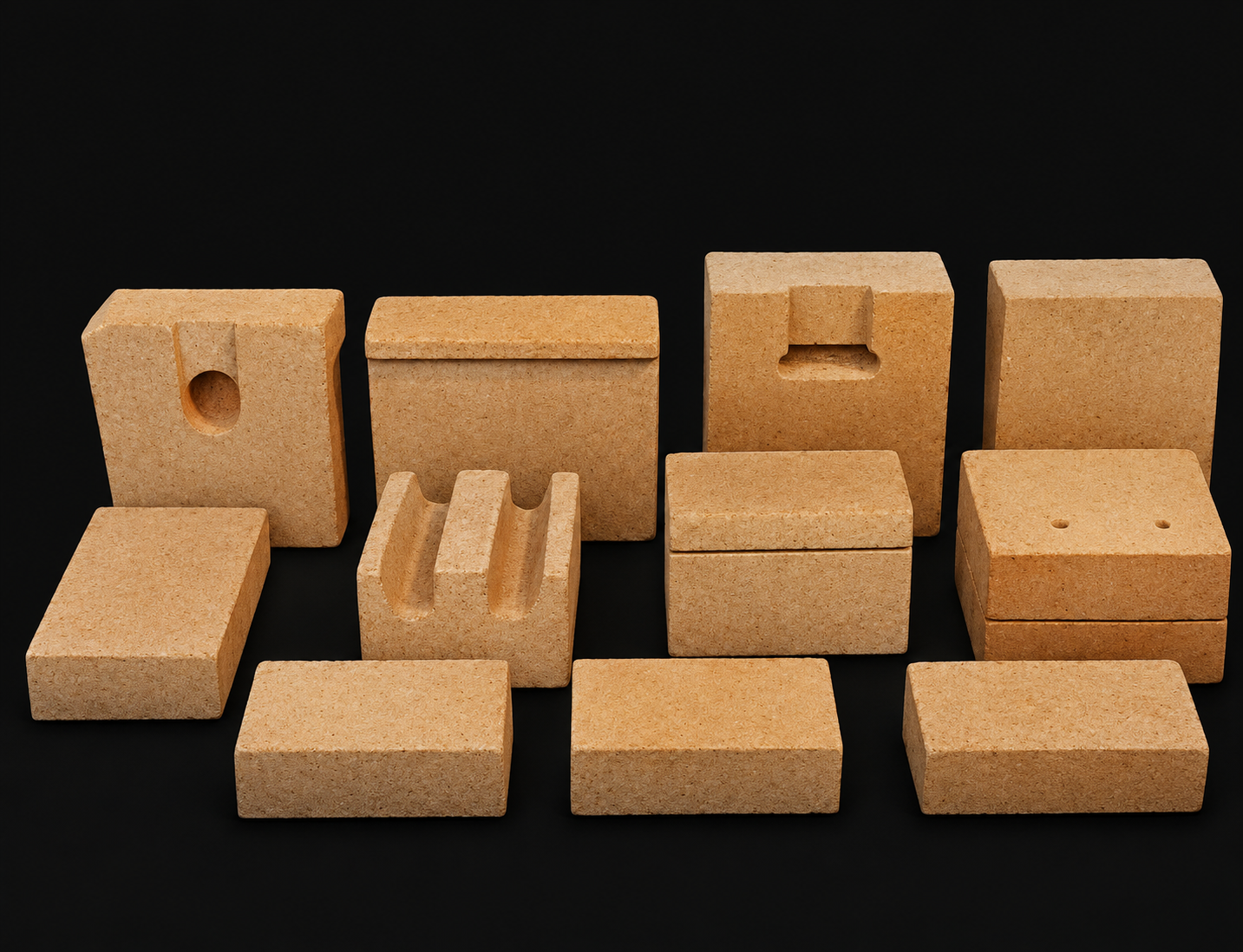
High-Alumina Lightweight Insulating Bricks
Furnace Bricks
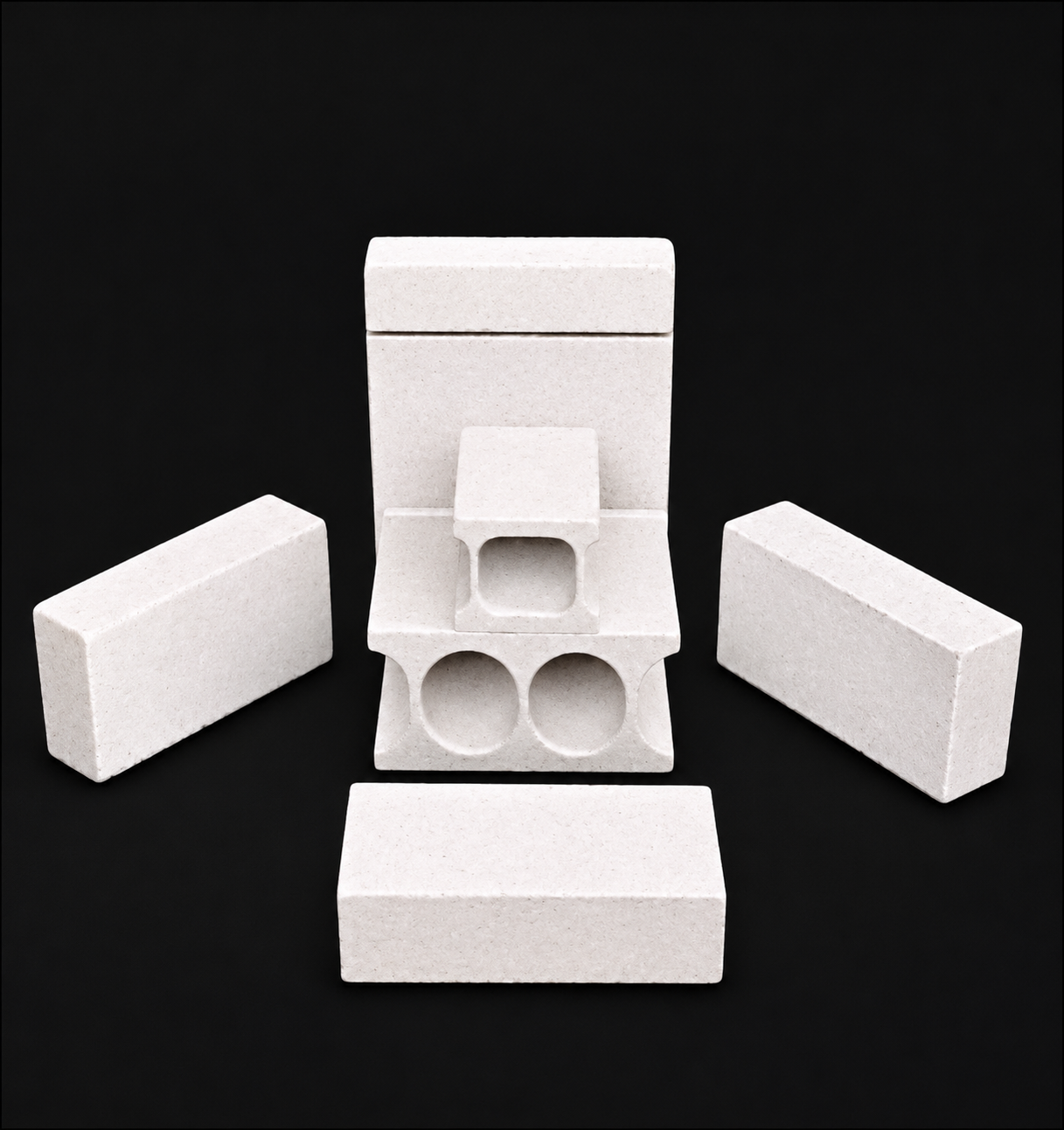
Corundum–Mullite Bricks
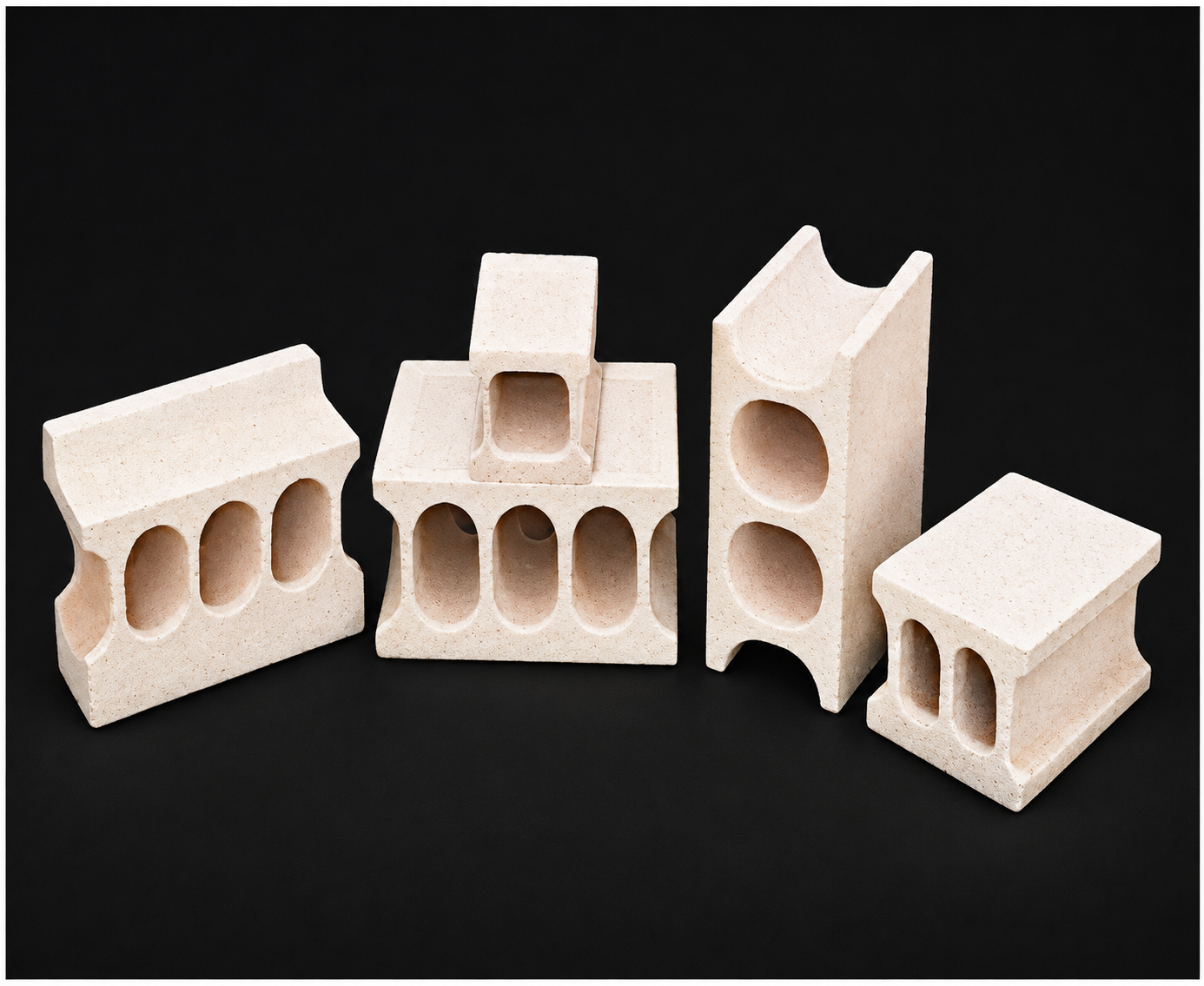
Cordierite–Mullite Products
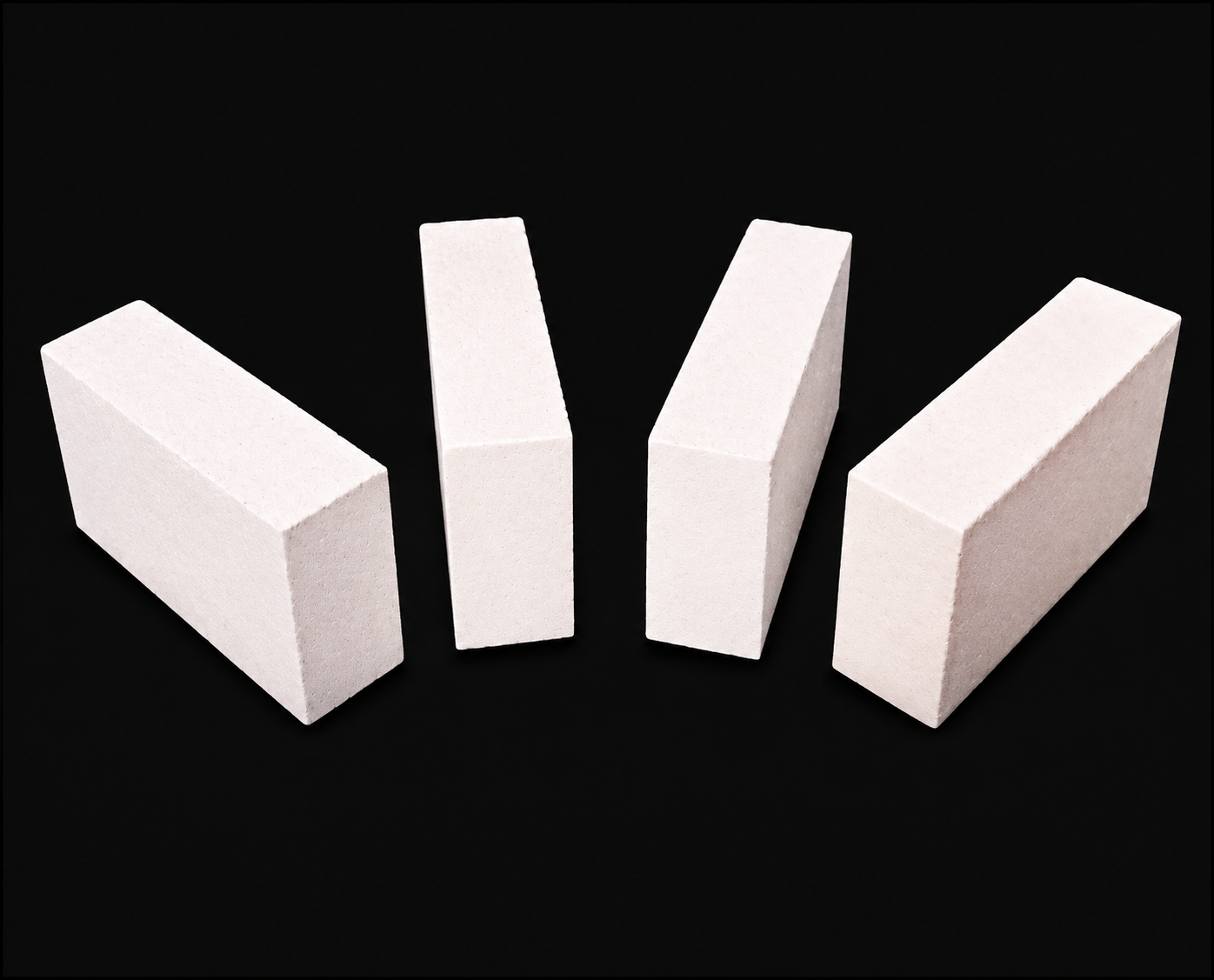
Carburization-Resistant Bricks
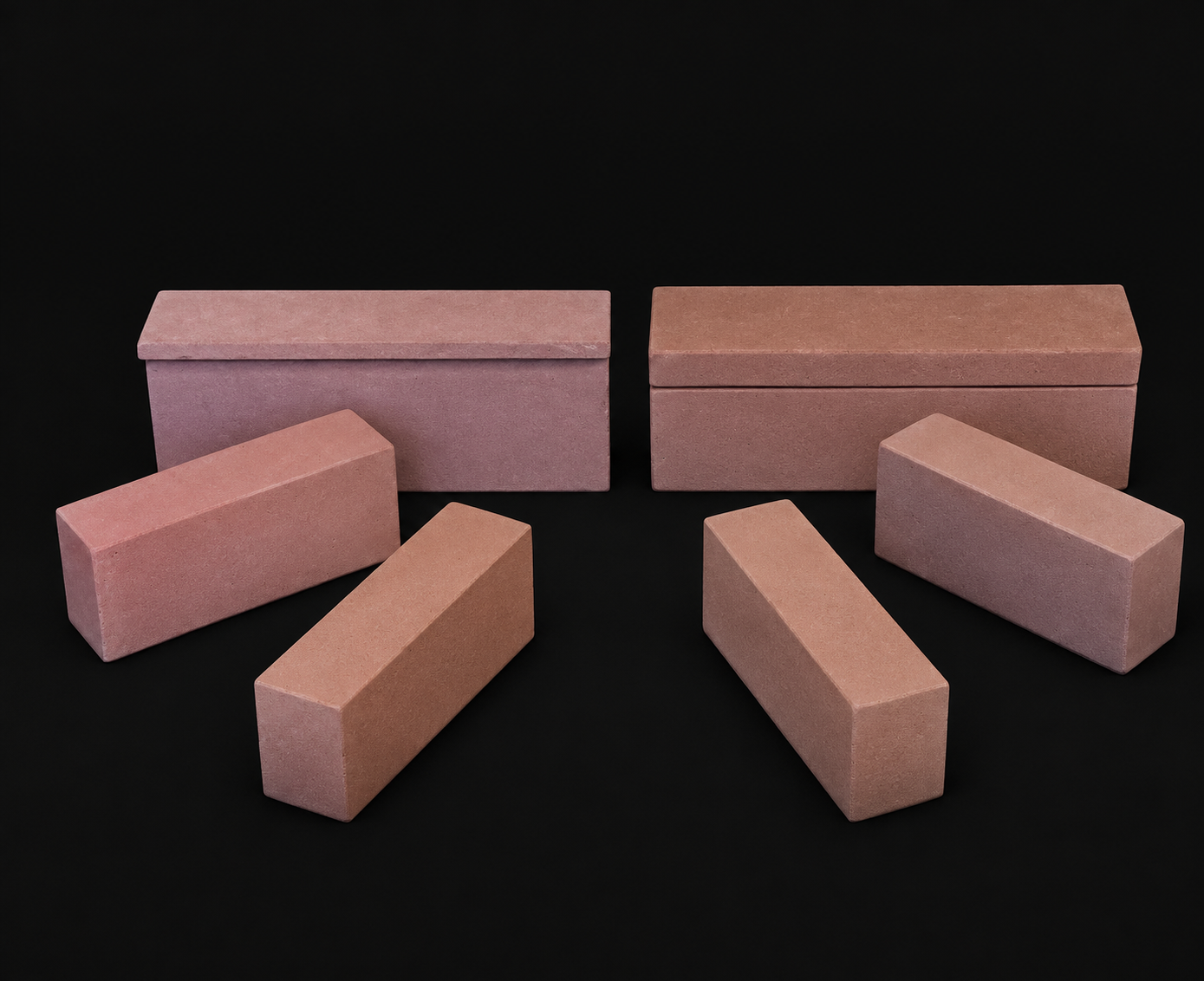
Cenosphere and Fireclay Insulating Bricks
Mortar and Refractory Castables
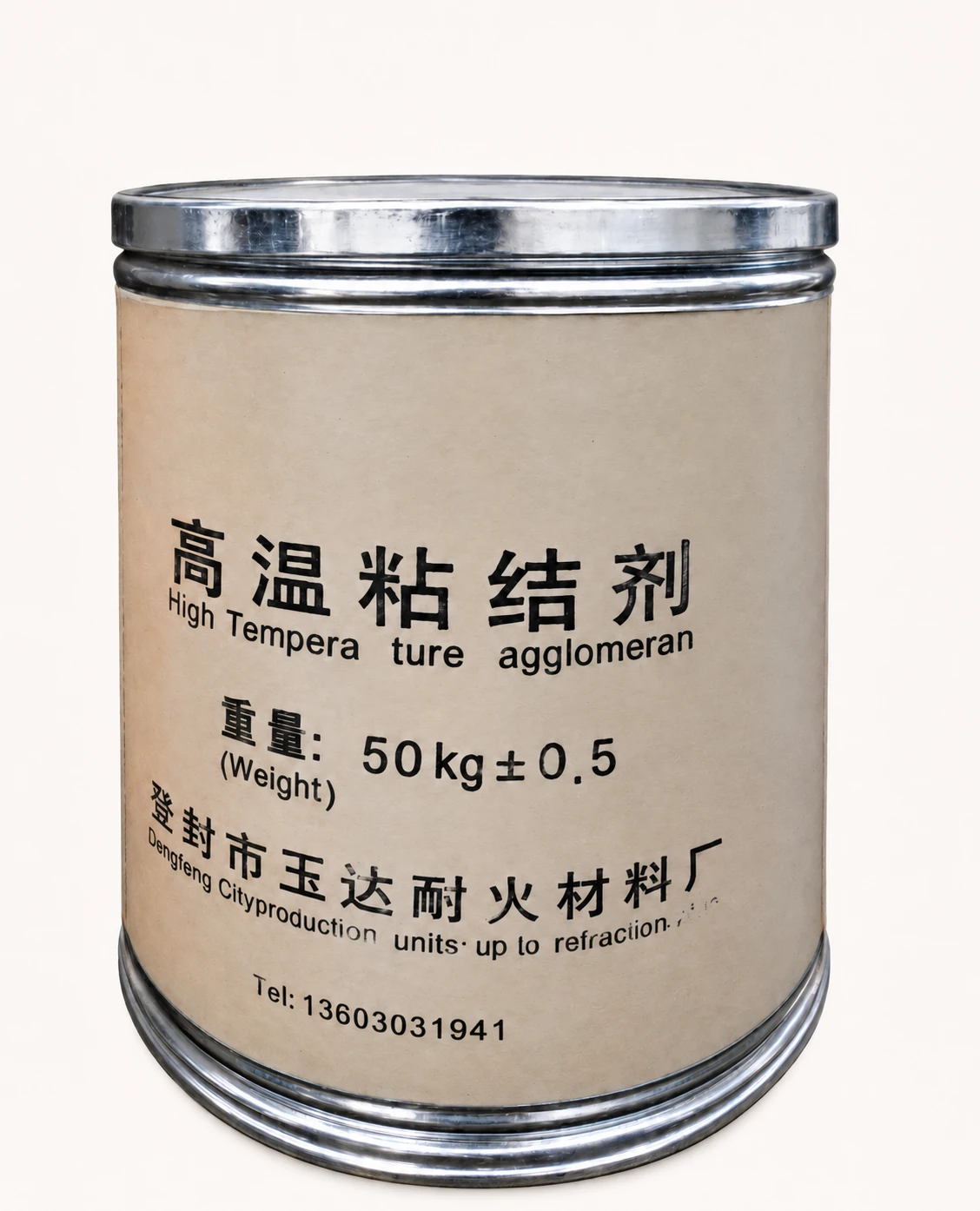
High-Temperature Refractory Binders
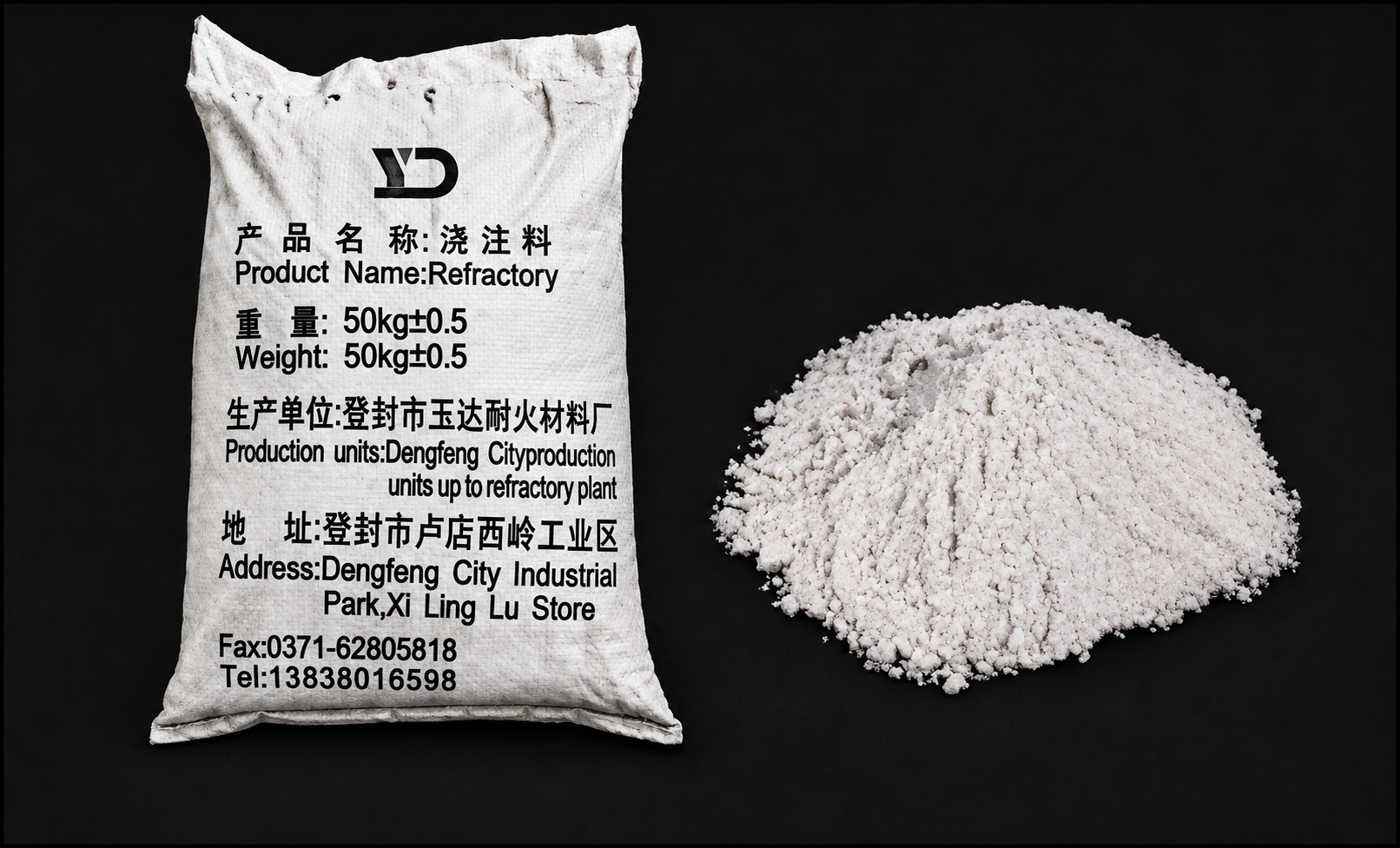
Refractory Castables
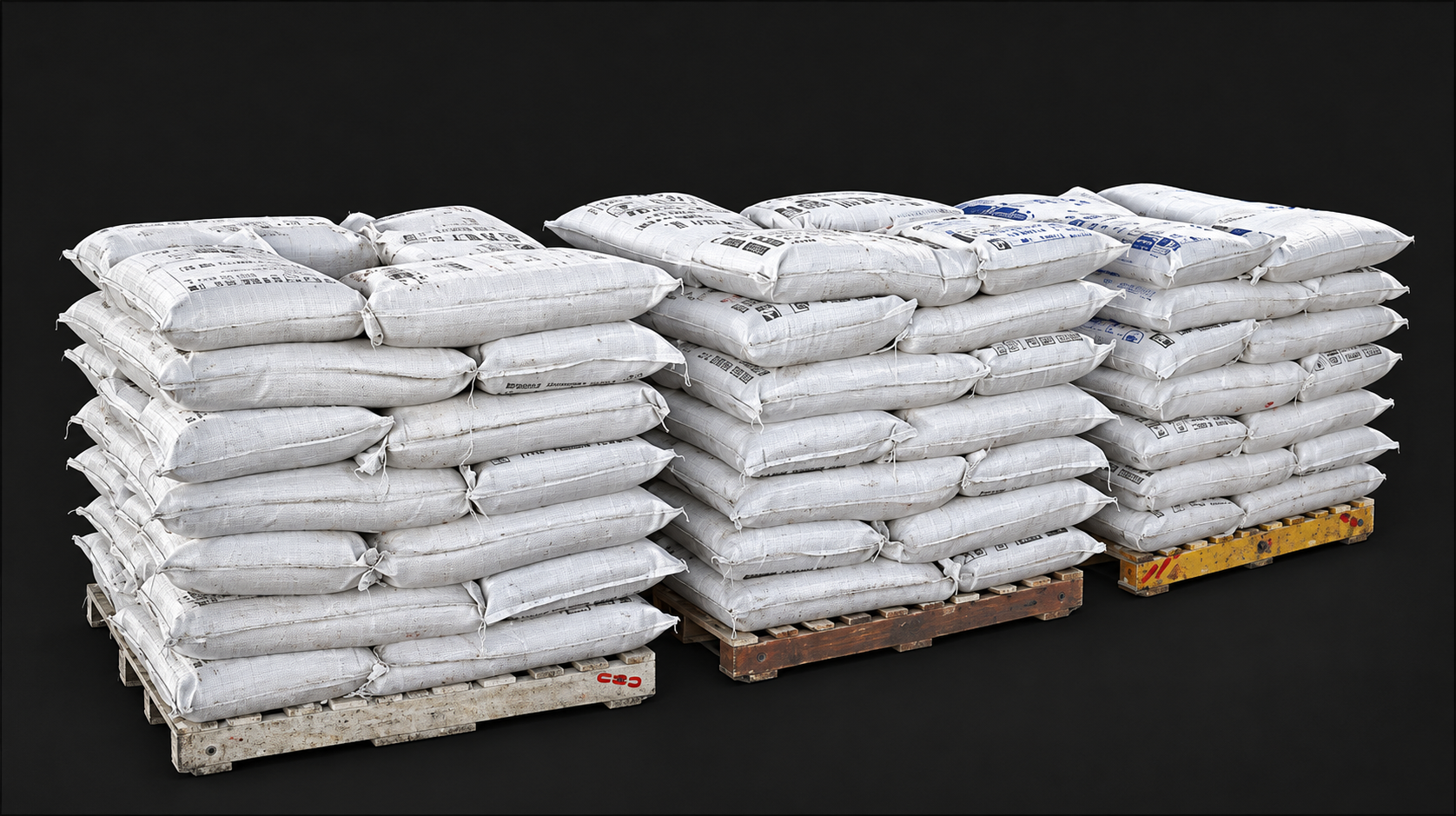
Refractory Mortars
Customizing service is available upon technical drawing or sketch from customers.
Technical support